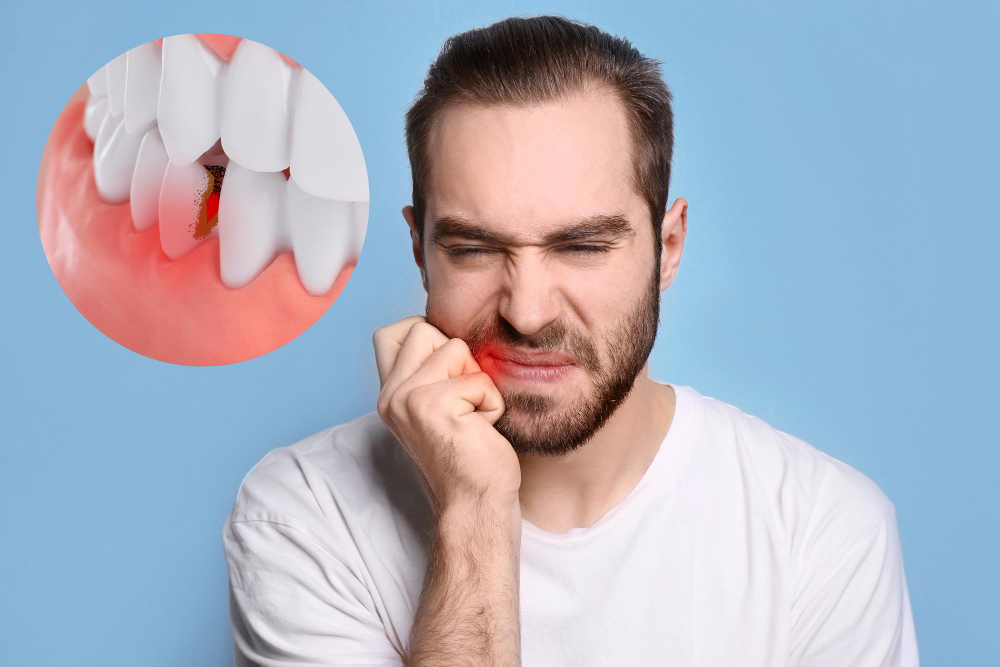
Gum diseases are common dental problems that can affect anyone. Knowing the causes of gum diseases helps you protect your smile. Early understanding can prevent serious issues like tooth loss. In this guide, we explain what gum diseases are and what causes them. We also share tips to lower your risk. For better dental health, it is important to learn about these causes and take action.
What Are Gum Diseases?
Gum diseases are infections that affect the tissues around your teeth. The most common types are gingivitis and periodontitis. Gingivitis is a mild form and causes red, swollen gums. If left untreated, it can turn into periodontitis. This severe form can damage the bone that supports your teeth. As a result, you may lose teeth. Gum diseases are often painless at first, so many people do not notice them early. However, regular dental check-ups can help catch them soon.
Main Causes of Gum Diseases
Many factors can lead to gum diseases. However, the main cause is plaque buildup. Plaque is a sticky film of bacteria that forms on your teeth. If not removed, it can harden into tartar. Tartar makes it harder to clean your teeth and can lead to infection. Here are the main causes:
Because plaque is the main culprit, daily cleaning is key. But, other causes can also play a role.
Risk Factors That Increase Susceptibility
Some people are more likely to get gum diseases due to certain risk factors. These do not directly cause gum disease, but they make it easier for the disease to develop. For example, age and family history matter. Here are some common risk factors:
Additionally, some health conditions can increase your risk. For instance, people with diabetes are more likely to have gum problems. Knowing your risk factors helps you take better care of your gums.
How to Reduce Your Risk
Fortunately, you can lower your risk of gum diseases with simple steps. First, practice good oral hygiene every day. Next, visit your dentist for regular check-ups and cleanings. Here are some tips to help you:
Because prevention is easier than treatment, these habits can make a big difference. If you notice bleeding, swelling, or pain in your gums, see a dentist soon.
In summary, understanding the causes of gum diseases helps you take control of your dental health. For the best advice, consult a dental professional Dr Yashaswini Shetty for personalized guidance on gum disease prevention.