
Introduction
When it comes to straightening teeth, many people wonder about braces vs aligners. Both options can help improve your smile. Braces use metal or ceramic brackets and wires. Aligners are clear, removable trays. Each has unique benefits. Choosing the best orthodontic treatment depends on your needs and lifestyle. In this blog, we will compare clear aligners vs metal braces. We will also discuss invisible braces for adults and other popular options.
How Braces Work
Traditional braces are a common way to fix crooked teeth. They use small brackets glued to each tooth. A wire connects these brackets. Over time, the wire gently moves your teeth into place. Braces can be made from metal, ceramic, or even clear materials. Metal braces are strong and often used for complex cases. Ceramic braces blend in with your teeth, making them less noticeable. According to the American Association of Orthodontists, braces are very effective for many dental issues.
How Aligners Work
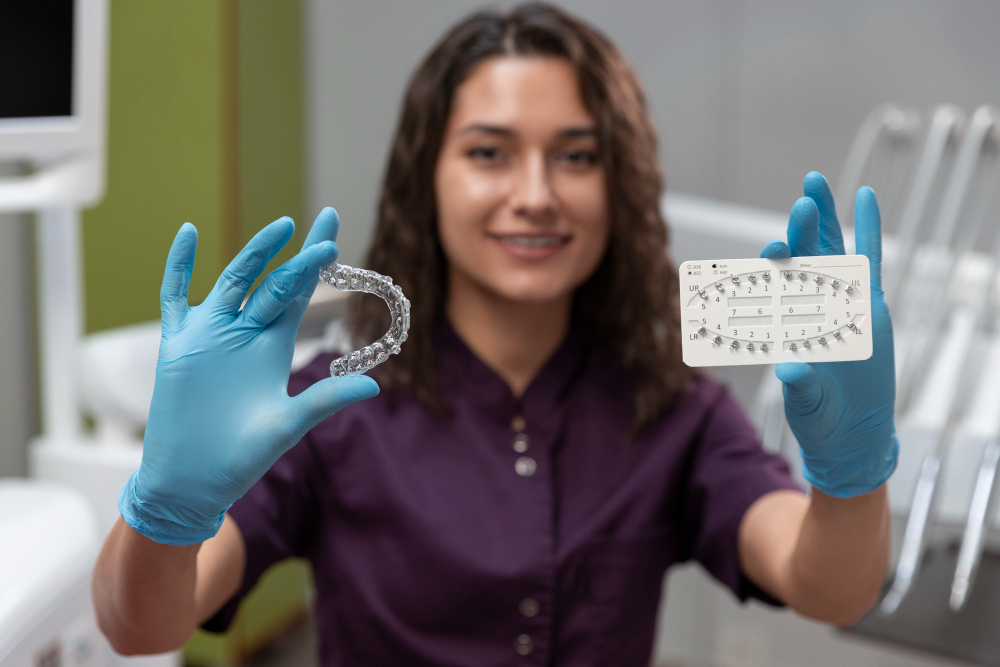
Clear aligners are a newer option for straightening teeth. They are made from smooth, clear plastic. You wear a set of custom-made trays that fit over your teeth. Every few weeks, you switch to a new set. This slowly moves your teeth into the right position. Popular brands include Invisalign and ClearCorrect. Aligners are almost invisible, so many adults prefer them. They are also removable, which makes eating and cleaning easier.
Pros and Cons: Braces vs Aligners
Who Should Consider Braces vs Aligners?
Choosing between braces and aligners depends on several factors. For example, children and teens with complex dental issues may need braces. Adults who want a discreet option may prefer invisible braces for adults or clear aligners. If you have severe bite problems, braces might be better. On the other hand, if you want a removable and nearly invisible solution, aligners are a good choice. Your lifestyle, age, and dental needs all play a role in this decision.
Treatment Process
Both braces and aligners start with a dental consultation. Your orthodontist will examine your teeth and take X-rays or scans. For braces, the next step is fitting the brackets and wires. You will visit the orthodontist every few weeks for adjustments. For aligners, your dentist will take impressions or digital scans. You will receive a series of trays to wear in sequence. Follow-up visits help track your progress and make changes if needed.
Results and Expectations
With both treatments, you can expect straighter teeth and a better bite. Braces usually take 18 to 24 months to work. Aligners may take a similar amount of time, but some cases finish sooner. However, complex dental issues may need longer treatment. After your teeth are straight, you may need to wear a retainer. This helps keep your teeth in their new position.
Oral Care Tips During Treatment
Prevention of Complications
To avoid problems, follow your orthodontist’s advice. For example, wear your aligners for at least 20 to 22 hours a day. With braces, avoid biting hard objects like ice or pens. Always keep your dental appointments. If you notice pain, swelling, or broken parts, contact your orthodontist right away. Good oral hygiene helps prevent cavities and gum problems during treatment.
Conclusion
Both braces and aligners can help you achieve a healthy, beautiful smile. Each option has its own pros and cons. Therefore, it is important to consider your dental needs, lifestyle, and budget. Consult a qualified orthodontist at Soukya Dental to find the best treatment for your smile.