
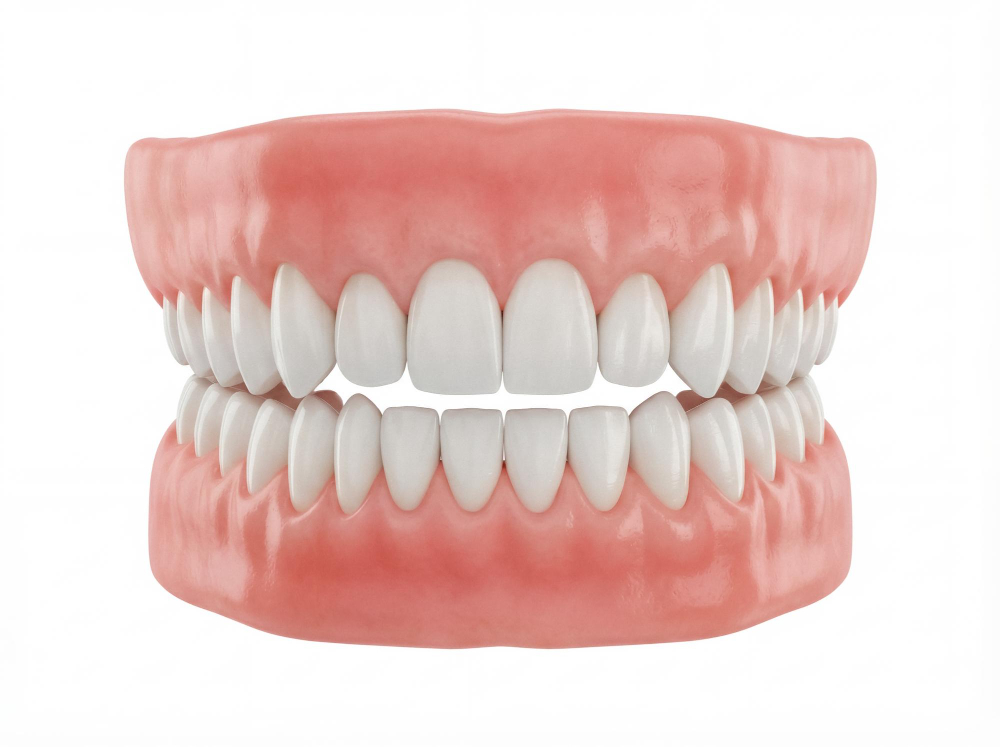
Introduction: What Are Dentures and Why Are They Important?
Dentures are removable devices that replace missing teeth. They help restore your smile and make eating and speaking easier. For many people, dentures improve confidence and quality of life. In fact, dentures can also support your facial muscles and prevent your mouth from sagging. Because missing teeth can affect your health, dentures play a key role in oral care.
Types of Dentures
There are several types of dentures. Each type serves a different need. Knowing your options helps you choose the best fit for your mouth.
Because each type has pros and cons, your dentist will help you decide which is best.
Symptoms and Signs Indicating the Need for Dentures
Sometimes, it is hard to know when you need dentures. However, certain signs can help you decide when to see a dentist. For example, you may notice:
If you notice these symptoms, it is wise to talk to a dental specialist soon.
Causes of Tooth Loss Leading to Dentures
Many factors can cause tooth loss. Often, these problems build up over time. Common causes include:
Because early treatment can prevent tooth loss, regular dental checkups are important.
Diagnosis and Assessment for Dentures
First, your dentist will examine your mouth. Next, they may take X-rays to check your jawbone and remaining teeth. After that, they will discuss your needs and goals. Sometimes, your dentist will make molds of your mouth. This helps create dentures that fit well. Because every mouth is unique, a thorough assessment ensures the best results.
Treatment Process: Fitting, Adjustments, and Aftercare
The process of getting dentures involves several steps. Here is what you can expect:
After getting dentures, you will need to care for them daily. Regular checkups help keep your mouth healthy.
Lifestyle Guidance: Eating, Speaking, and Cleaning with Dentures
Living with dentures may take some time to get used to. However, with practice, most people adjust well. Here are some tips:
Because good care prevents problems, follow these denture care tips every day.
Prevention of Further Oral Health Issues
Even with dentures, you must protect your mouth. Here are some ways to prevent more problems:
Because prevention is key, these steps help keep your mouth healthy for years to come.
Frequently Asked Questions About Dentures
Conclusion: Consult a Dental Specialist for Personalized Guidance
Dentures can restore your smile and improve your life. Because every mouth is different, it is important to seek expert advice. Consult a dental specialist Dr Yashaswini Shetty for personalized guidance. They can help you choose the best dentures and teach you how to care for them. With the right support, you can enjoy a healthy, confident smile.