
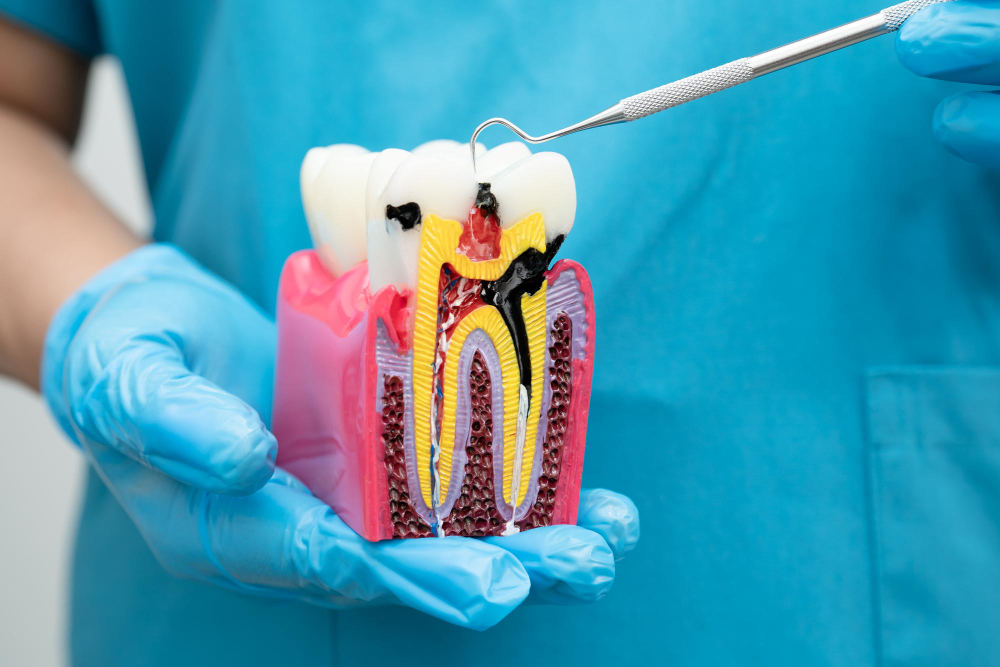
Root canal retreatment is sometimes needed when a tooth does not heal after the first root canal. Many people wonder about signs you need another root canal or worry about failed root canal symptoms. In some cases, a second root canal procedure can save your tooth and stop pain. This blog will explain why retreatment is needed, what to expect, and how to prevent future problems. If you are searching for “root canal retreatment near me,” this guide can help you understand your options.
What Is Root Canal Retreatment?
Root canal retreatment is a dental procedure done when a tooth that had a root canal does not heal or becomes painful again. Sometimes, the first treatment does not remove all infection or the tooth gets infected later. In these cases, your dentist may suggest endodontic retreatment. This means cleaning and sealing the tooth again to stop pain and infection.
Why Might a Tooth Need Another Root Canal?
There are several reasons why a tooth may need another root canal. For example, the first treatment may not have removed all bacteria. In addition, new decay or cracks can let germs inside. Sometimes, a crown or filling may not fit well, allowing infection to return. Here are some common causes:
Common Signs and Symptoms Indicating Retreatment
It is important to know the signs you need another root canal. However, symptoms can vary. For example, you may notice pain or swelling. In some cases, the tooth may feel sensitive to hot or cold. Watch for these failed root canal symptoms:
If you notice these signs, it is best to see your dentist soon.
Diagnosis: How Dentists Decide on Retreatment
Dentists use several steps to decide if root canal retreatment is needed. First, they ask about your symptoms and dental history. Next, they examine your tooth and gums. In addition, X-rays help show if there is infection or damage inside the tooth. Sometimes, special tests check for cracks or hidden canals. Based on these findings, your dentist will suggest the best treatment plan.
The Root Canal Retreatment Procedure: What to Expect
If you need a second root canal procedure, your dentist will explain each step. Usually, the process is similar to the first root canal. Here is what you can expect:
Most people feel better soon after retreatment. However, some mild soreness is normal for a few days.
Risks and Benefits of Retreatment
Like any dental procedure, root canal retreatment has risks and benefits. On the positive side, retreatment can save your natural tooth and stop pain. In addition, it helps prevent the need for tooth removal. However, there are some risks. For example, the tooth may not heal, or infection may return. Rarely, the tooth may need to be removed if retreatment fails. Your dentist will discuss these risks with you before starting.
Prevention: How to Avoid Needing Another RCT
Good dental care can help prevent the need for endodontic retreatment. For example, brushing and flossing every day keeps teeth clean. In addition, regular dental check-ups help catch problems early. Here are some tips to protect your treated tooth:
By following these steps, you can lower your risk of needing another root canal.
Frequently Asked Questions About Root Canal Retreatment
If you suspect you need root canal retreatment, consult a dental specialist Dr Yashaswini Shetty for personalized advice.