
What Is a Root Canal?
A root canal is a dental treatment that saves a tooth with deep decay or infection. During this procedure, your dentist removes the damaged pulp inside the tooth. Then, the space is cleaned and filled. As a result, the tooth can stay in your mouth instead of being removed. However, after a root canal, the tooth can become weak. That is why dental crowns after root canal are often recommended.
What Are Dental Crowns?
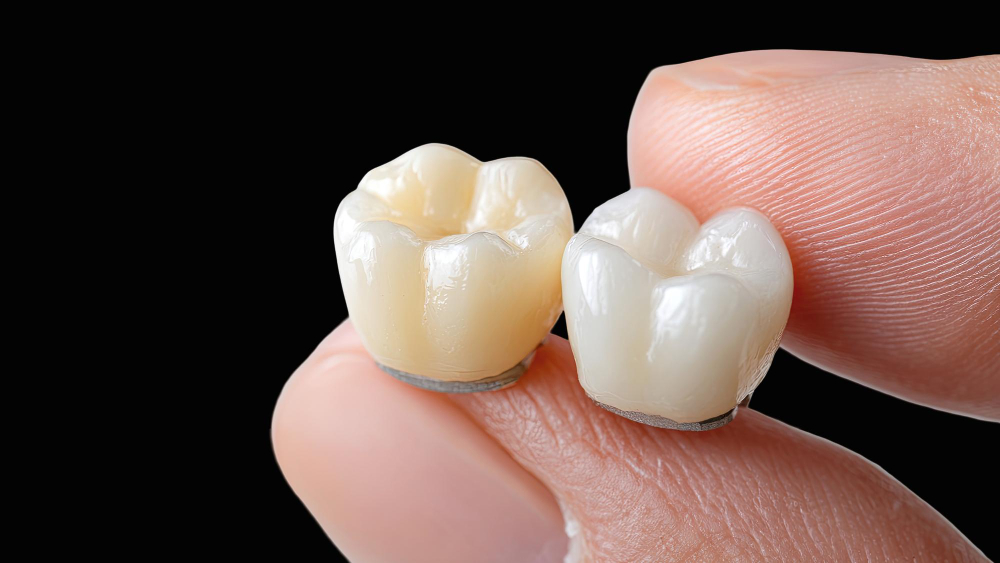
A dental crown is a cap that covers a tooth. It looks and feels like a natural tooth. Crowns can be made from metal, porcelain, or ceramic. In many cases, dentists use crowns to protect teeth that are weak or broken. For example, after a root canal, a crown helps keep the tooth strong and safe.
Why Are Dental Crowns Needed After a Root Canal?
After a root canal, the tooth loses some of its strength. Because the inside is removed, the tooth can break more easily. Therefore, a dental crown after root canal treatment is needed to:
According to the American Dental Association, crowns are often the best way to protect teeth after root canal therapy.
Benefits of Dental Crowns After Root Canal
There are many benefits to getting a dental crown after root canal treatment. For instance, crowns can:
Additionally, crowns help you use your tooth just like before. This means you can eat, speak, and smile with confidence.
Risks of Not Getting a Crown After Root Canal
If you do not get a crown after a root canal, your tooth may be at risk. For example, the tooth can crack or break. Sometimes, it may even need to be removed. Without a crown, germs can enter and cause a new infection. As a result, you may need more dental work in the future. Protecting teeth after root canal with a crown lowers these risks.
How Is a Dental Crown Placed?
Getting a dental crown after root canal is a simple process. Usually, it takes two visits:
Afterward, you can use your tooth as normal.
Caring for Your Dental Crown
With good care, a dental crown after root canal can last many years. To keep your crown in good shape:
Because crowns act like natural teeth, caring for them is easy and important.
Frequently Asked Questions
In summary, dental crowns after root canal are important for protecting and saving your tooth. Consult Dr Yashaswini Shetty to learn if a dental crown is right for you after a root canal.