What is a Root Canal Infection?
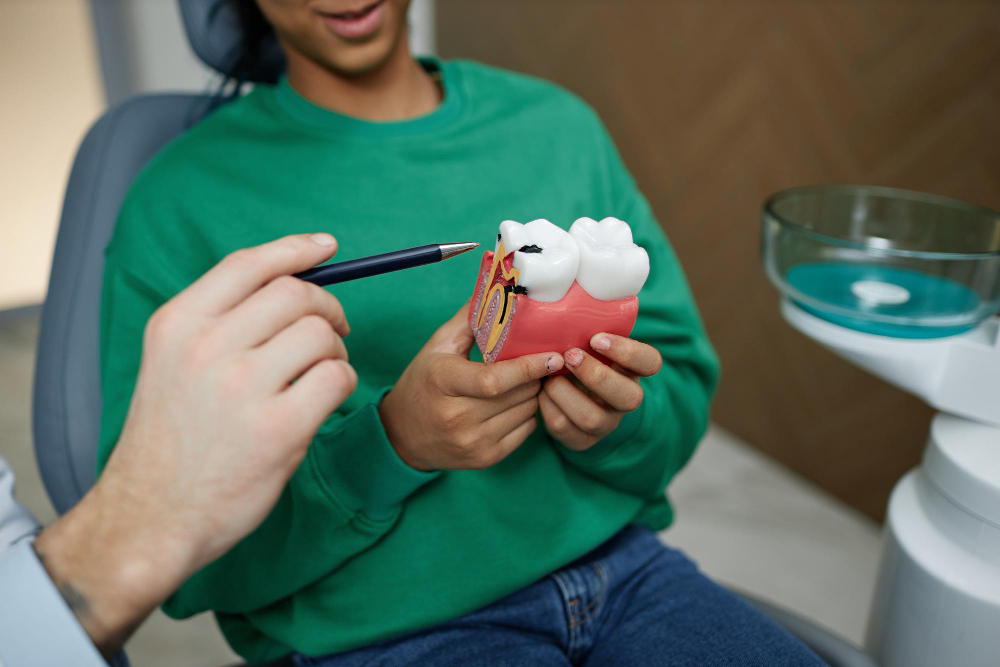
A root canal infection happens when germs enter the inside of a tooth. This area is called the pulp. Usually, a dentist removes the infected pulp during a root canal treatment. However, sometimes germs can return. For this reason, it is important to prevent root canal infection after treatment. Root canal infections can cause pain and swelling. In some cases, they may even lead to tooth loss if not treated.
Why Do Root Canal Infections Occur After Treatment?
Even after treatment, root canal infections can happen. Sometimes, germs are left behind during the procedure. Other times, a tooth may crack or the filling may leak. As a result, germs can enter again. In addition, poor oral hygiene can increase the risk. Sometimes, a crown or filling may become loose. This allows germs to sneak in. For these reasons, it is important to follow good root canal aftercare and see your dentist regularly.
Signs and Symptoms of Root Canal Infection in Treated Teeth
It is important to know the signs of root canal infection. Early detection helps prevent serious problems. Watch for these symptoms:
If you notice any of these signs, contact your dentist right away. Quick action can help save your tooth.
Key Prevention Strategies for Root Canal Infection After Treatment
Preventing root canal infection is possible with the right steps. After your treatment, follow these strategies:
Additionally, your dentist may recommend special mouth rinses or treatments. These steps help keep your treated tooth healthy.
Daily Oral Hygiene Tips for Treated Teeth
Good oral hygiene for treated teeth is key to long-term health. Every day, you can protect your teeth by:
With these habits, you lower the risk of new infections. Over time, your treated tooth will stay strong and healthy.
When to Seek Dental Care
Sometimes, problems can develop even with good care. For example, you may feel pain or notice swelling. In these cases, contact your dentist right away. Other reasons to seek dental care include:
Early treatment can prevent serious issues. Therefore, do not wait if you notice any of these signs. Your dentist can help keep your smile healthy and pain-free.
Conclusion
If you have concerns about your treated tooth or notice any symptoms, book a visit with Dr Yashaswini Shetty. Regular check-ups help protect your smile and prevent future dental problems.