What is Root Canal Treatment?
Root canal treatment is a dental procedure that saves a badly damaged or infected tooth. Dentists remove the infected pulp, clean the inside, and seal the tooth. This treatment helps relieve pain and prevents the need for tooth removal. According to the American Dental Association, root canal treatment is safe and effective.
Symptoms Indicating the Need for a Root Canal
Sometimes, tooth pain can signal a deeper problem. If you notice any of these symptoms, you may need a root canal procedure:
However, not all tooth pain means you need a root canal. Only a dentist can confirm the cause.
Causes Leading to Root Canal Treatment
Several issues can damage the inside of your tooth. As a result, root canal treatment may become necessary. Common causes include:
Over time, these problems can cause infection or inflammation inside the tooth.
Diagnosis: How Dentists Identify the Need for a Root Canal
First, your dentist will ask about your symptoms. Next, they will examine your tooth and gums. Often, dentists use X-rays to check for infection or damage. Sometimes, they may test your tooth’s response to hot, cold, or pressure. Based on these findings, your dentist will decide if a root canal procedure is needed.
Step-by-Step Root Canal Procedure
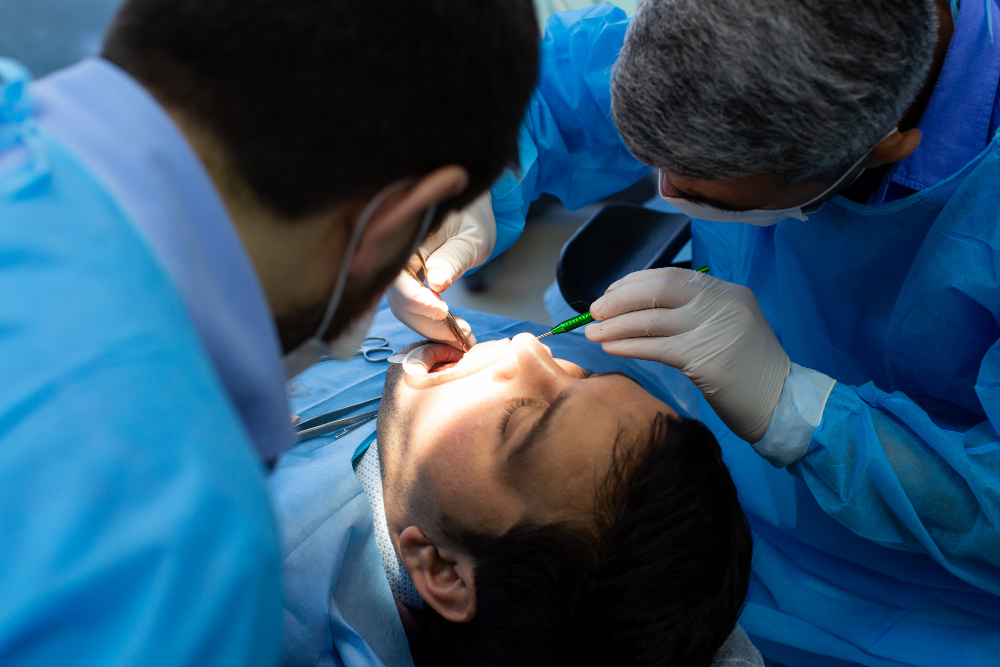
Many people worry about the root canal procedure. However, it is usually painless with modern dental care. Here is what you can expect:
Most root canal treatments are completed in one or two visits.
Recovery and Aftercare Tips
After a root canal, your tooth may feel sensitive for a few days. But, most people return to normal activities quickly. To help with recovery:
If you notice swelling, severe pain, or fever, contact your dentist right away.
Prevention: How to Avoid Needing a Root Canal
Good oral care can help prevent the need for root canal treatment. Here are some tips:
By following these steps, you can lower your risk of tooth decay and injury.
Frequently Asked Questions
For more details, visit trusted sources like the American Dental Association or the World Health Organization.
Consult a dental specialist Dr Yashaswini Shetty for personalized advice on root canal treatment.