When a child loses a baby tooth early, dentists may suggest using space maintainers. These small dental devices help keep the gap open until the adult tooth grows in. As a parent, you might wonder why space maintainers are important and how they work. In this guide, you will learn about children’s dental space maintainers, their types, care tips, and when your child may need one.
What Are Space Maintainers?
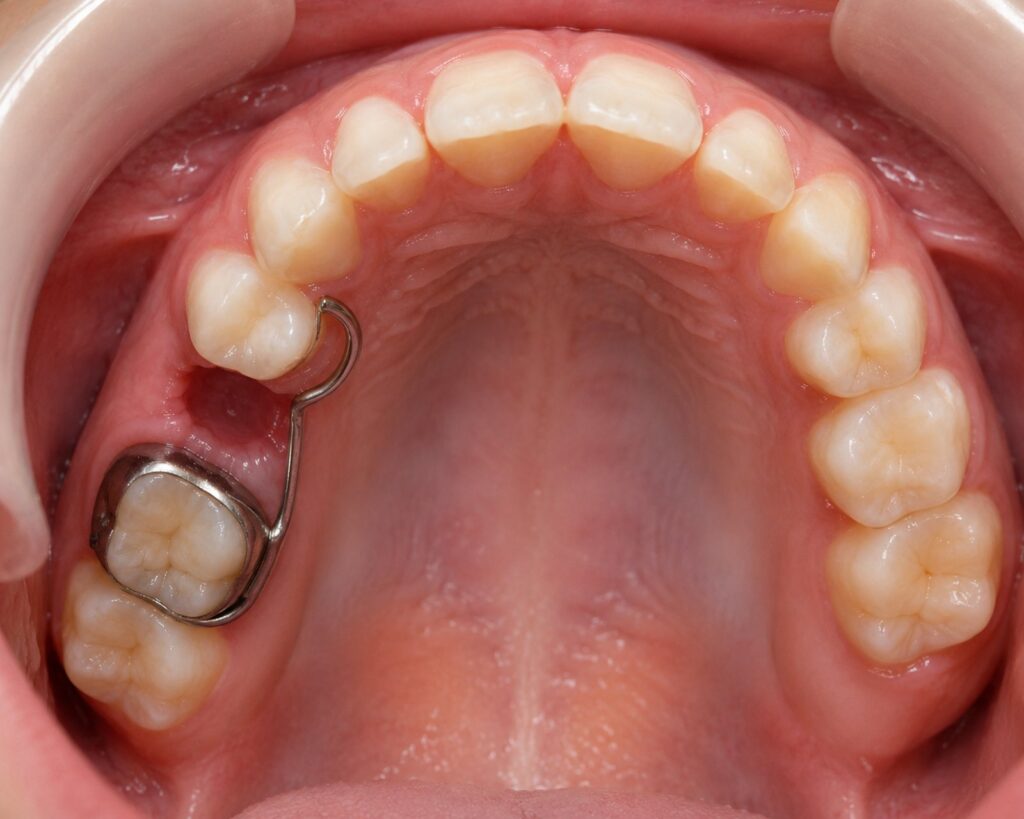
Space maintainers are devices placed in a child’s mouth to hold space for a missing tooth. Usually, they are made of metal or plastic. When a baby tooth falls out too soon, the nearby teeth can move into the empty spot. However, a space maintainer keeps the space open for the adult tooth to come in properly. According to the American Dental Association (ADA), these devices help prevent future dental problems.
Why Are Space Maintainers Important?
Early loss of baby teeth can cause teeth to shift. As a result, the adult teeth may not have enough room to grow. This can lead to crooked teeth or bite issues. Because of this, space maintainers play a key role in children’s dental health. They help:
Therefore, using a space maintainer can save time and money on future dental treatments.
Types of Space Maintainers
There are several types of space maintainers. Your child’s dentist will choose the best one based on their needs. Common types include:
Each type has its own benefits. For example, fixed space maintainers are less likely to be lost, while removable ones are easier to clean.
How Are Space Maintainers Placed?
First, the dentist examines your child’s mouth. Next, they may take X-rays to check the teeth and jaw. Then, the dentist will choose the right type of space maintainer. For fixed types, the dentist fits and cements the device in place. For removable types, an impression is taken, and the device is made to fit your child’s mouth. The process is usually quick and does not cause pain. However, your child may need a short time to get used to the new device.
Caring for Space Maintainers
Proper care helps space maintainers last longer and work well. Here are some tips:
With good care, space maintainers can do their job until the adult tooth comes in.
Potential Risks and Complications
Most children do well with space maintainers. Still, there can be some risks. For example, the device may become loose or break. Sometimes, food can get trapped, causing gum irritation. If not cleaned well, there is a risk of tooth decay or gum problems. However, regular dental visits help catch these issues early. If your child feels pain or the device moves, contact your dentist right away.
When to Consult a Dentist
It is important to see a dentist if your child loses a baby tooth early. The dentist can decide if a space maintainer is needed. You should also consult a dentist if:
Early action can prevent bigger dental problems later. If you are looking for space maintainers in your area, ask your local pediatric dentist for advice.
In summary, space maintainers are a simple way to protect your child’s dental health. They help guide adult teeth and prevent future problems. Consult a pediatric dentist at Soukya Dental for personalized advice on space maintainers for your child.